Our Services

Foundation Repair in Northwest Arkansas

A foundation that is moving does not stop on its own. We find the reason it moved — soil, water, or a footing that was never deep enough — fix that first, then lift and lock the structure back into place with an engineered pier system that carries a written warranty.

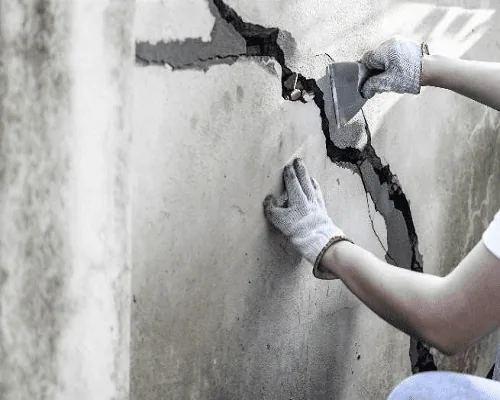
Technician sealing a structural crack in a residential concrete foundation wall in Northwest Arkansas

We diagnose the soil before we quote the repair

Nearly every foundation problem in this region traces back to what the soil under the footing did — not to a defect in the concrete. Northwest Arkansas clay swells after a wet spring and shrinks hard through an August drought, and a footing that was poured three feet deep in 1968 simply rides that cycle until something gives. Underpinning a corner without correcting the drainage that soaked it is how homeowners end up paying twice.

So our inspection starts with a laser elevation survey of the whole floor plate, moisture readings in the crawl space or basement, and a walk of the exterior grade, gutters and downspouts. You get a drawing showing where the house has dropped and by how much, and a written scope that separates what is structural from what is cosmetic.
Push piers, helical piers, and knowing which one your house needs

Push piers use the weight of your house to drive sections of steel pipe through the active clay until they refuse against load-bearing rock. They are the right call on most slab homes with a heavy perimeter beam and shallow bedrock — common through Rogers, Bentonville and flatter parts of Springdale.

Helical piers are screwed into the ground to a measured torque, which means they develop capacity without needing structural weight to install. That makes them the better choice under lighter structures, on hillside lots where the soil is creeping, and anywhere a karst seam means we cannot count on hitting solid refusal at a predictable depth. Bella Vista and the steeper streets of Fayetteville are almost always helical work.

Once the piers are seated we bracket them to the footing and lift in controlled increments, watching the interior for door and window reveals to close. Recovering every inch of elevation is not always possible on an older home without cracking finishes — we tell you up front what a realistic lift looks like.

Bowing walls, crack injection and crawl-space structure

A basement wall that is bowing inward is under lateral soil pressure, not settlement, and it needs a completely different fix: wall anchors set out in the yard, carbon-fiber straps bonded to the interior face, or steel I-beam bracing where access is tight. We size the system to the measured deflection rather than defaulting to whatever is on the truck.

Active cracks get polyurethane injection, which stays flexible and seals against water, or epoxy where the crack needs to be structurally welded back together. Under pier-and-beam homes we replace collapsed pads, re-shim to a level plane, sister sagging joists and add steel jack posts where a beam has been carrying more than it was ever framed for.

What this typically costs

Most residential foundation repairs in Northwest Arkansas land between $3,500 and $18,000. Piers are priced individually, and a targeted repair at one failing corner is far more common than underpinning a whole house.

Signs you should have this looked at

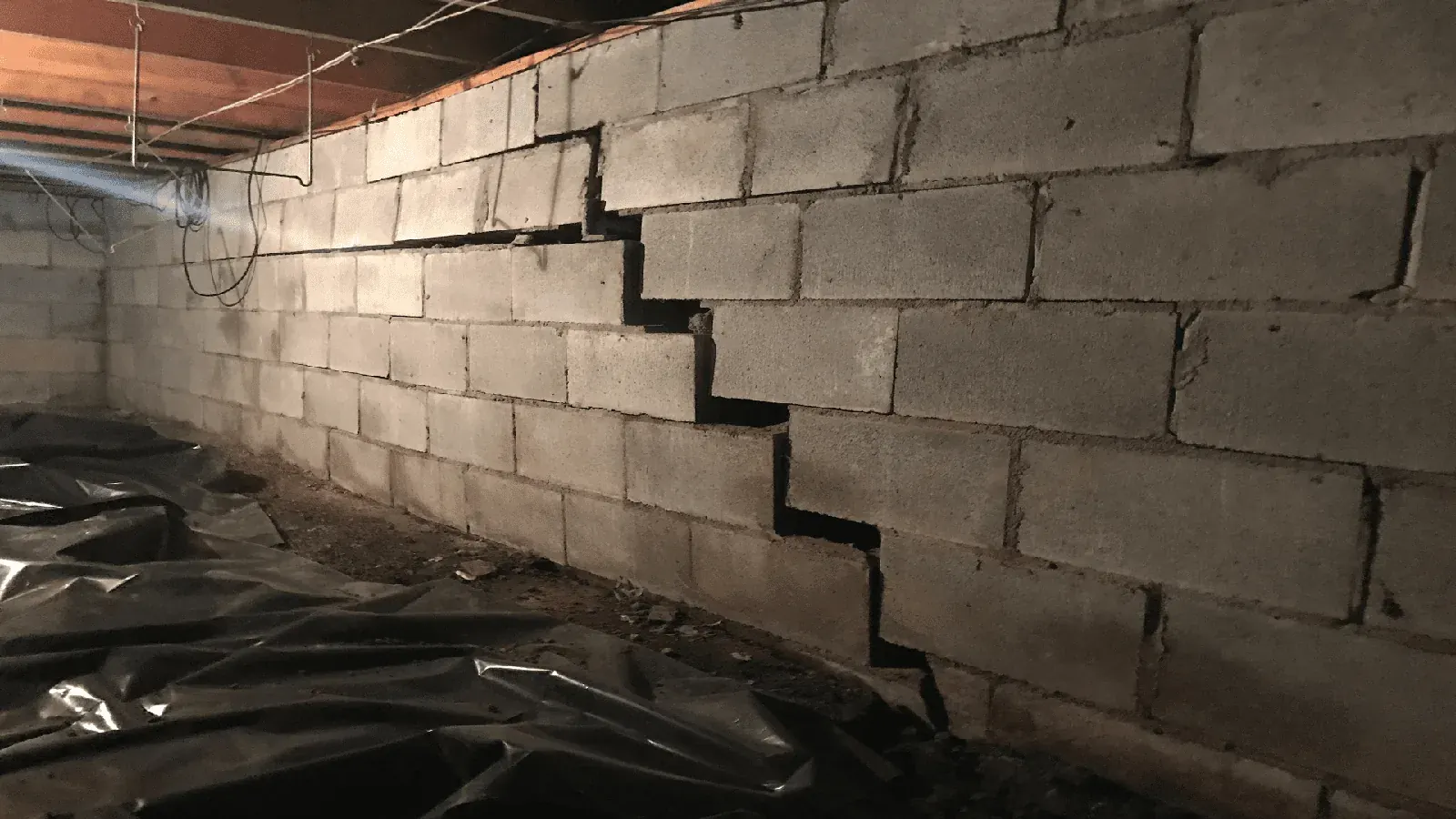
  • Stair-step cracks following the mortar joints in brick or block
  • Doors and windows that suddenly stick or will not latch
  • Floors that slope, bounce, or feel soft underfoot
  • Diagonal drywall cracks running from door corners to the ceiling
  • Gaps opening where walls meet ceilings, trim or exterior brick
  • A crack that has visibly widened since you first noticed it

Foundation Repair work across Northwest Arkansas

Stair-step cracking through a concrete block foundation wall in a crawl space
Stair-step cracking through block — the footing below has rotated.
Technician taking laser elevation readings inside a basement during a foundation inspection
Every inspection starts with a laser elevation survey, not a guess.
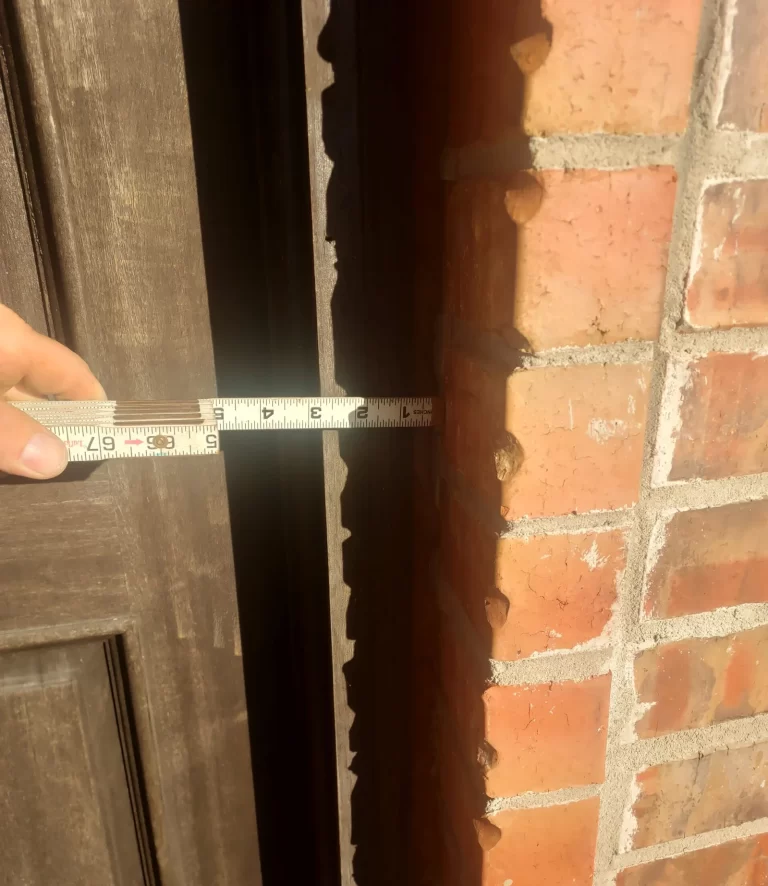
Measuring tape showing a large gap between an exterior door and its brick frame
Doors that will not latch are usually the first symptom homeowners notice.

Foundation Repair by city

Soil, drainage and housing stock change from one NWA city to the next, and so does the right repair. Pick your city for the local detail.

Foundation Repair — Questions We Get Asked

How long does a typical foundation repair take?

A targeted underpinning job of four to eight piers is usually finished in one or two days. Crack injection and interior drainage runs one to three days. A full crawl space rebuild with new piers, vapor barrier and a sump averages three to five days. We stage materials and crew in advance so we are not leaving a job half done.

What is the difference between push piers and helical piers?

Push piers use the weight of the structure to drive steel pipe to refusal against load-bearing strata — ideal under heavy slab perimeters with reachable bedrock. Helical piers are torqued into the ground and develop capacity independent of structural weight, which makes them right for lighter structures, hillside lots and areas where karst voids make refusal depth unpredictable.

Can you lift my house back to level?

We can usually recover a meaningful amount of elevation, and on newer homes often all of it. On an older house that has settled over decades, finishes, plumbing and masonry have adjusted to the new position, and forcing a full lift can crack drywall and tile. We tell you before we start what a realistic and safe lift looks like for your specific structure.

Will the repair damage my landscaping or interior floors?

Pier installation requires small targeted excavations along the foundation, which we backfill and restore when the work is complete. Interior work is contained and kept clean, and we protect floors and walls throughout. Most landscaping recovers fully within a season.

Do you subcontract the work?

No. The crew that inspects your home is the crew that performs the repair. That is deliberate — it is the only way the person who diagnosed the problem is accountable for whether the fix actually solved it.

Other services we provide

Not sure what your foundation actually needs?

Start with a free inspection. You get elevation measurements, photographs, a plain explanation of the cause and a fixed written price — with no obligation to hire us.