Our Services

Basement Waterproofing & Crawl Space Encapsulation

Water is the single biggest threat to a foundation in this part of Arkansas — roughly 48 inches of rain a year, most of it arriving in short violent bursts. We stop water at its actual entry point instead of selling you a pump and hoping.

Contractor spray-applying a waterproofing membrane to an exterior foundation wall

Find the entry point before you buy a product

Water reaches a basement in exactly four ways: through a crack in the wall, through the cold joint where the wall meets the floor, up through the slab under hydrostatic pressure, or as condensation forming on cool concrete out of humid summer air. Each one has a different fix, and plenty of houses have two happening at once.

This matters because the most common mistake we are called in to correct is a sump pump installed for a problem that was never hydrostatic. If the water is condensation, a pump does nothing. If it is a single active crack, a $700 injection solves what someone else quoted at $9,000.

What an interior system actually involves

For a basement taking water in more than one place, we cut a channel around the interior perimeter of the slab, bed perforated pipe in clean washed stone, and route it to a sealed sump basin with a properly sized pump and a battery backup. The backup is not an upsell — the storms that flood basements here are the same storms that drop the power.

We seal the basin, because an open sump pit pumps humidity straight into the room you are trying to dry out, and we finish the wall-floor junction so water is captured before it ever reaches the floor surface. Done correctly, an interior system runs for two decades with a pump swap at about year ten.

Crawl space encapsulation and why it pays for itself

A vented crawl space in a humid climate is a design that never worked. Warm moist summer air enters the vents, hits cool framing and ductwork, and condenses — which is why so many Northwest Arkansas homes have rotting rim joists, cupped hardwood above, and a smell nobody can locate.

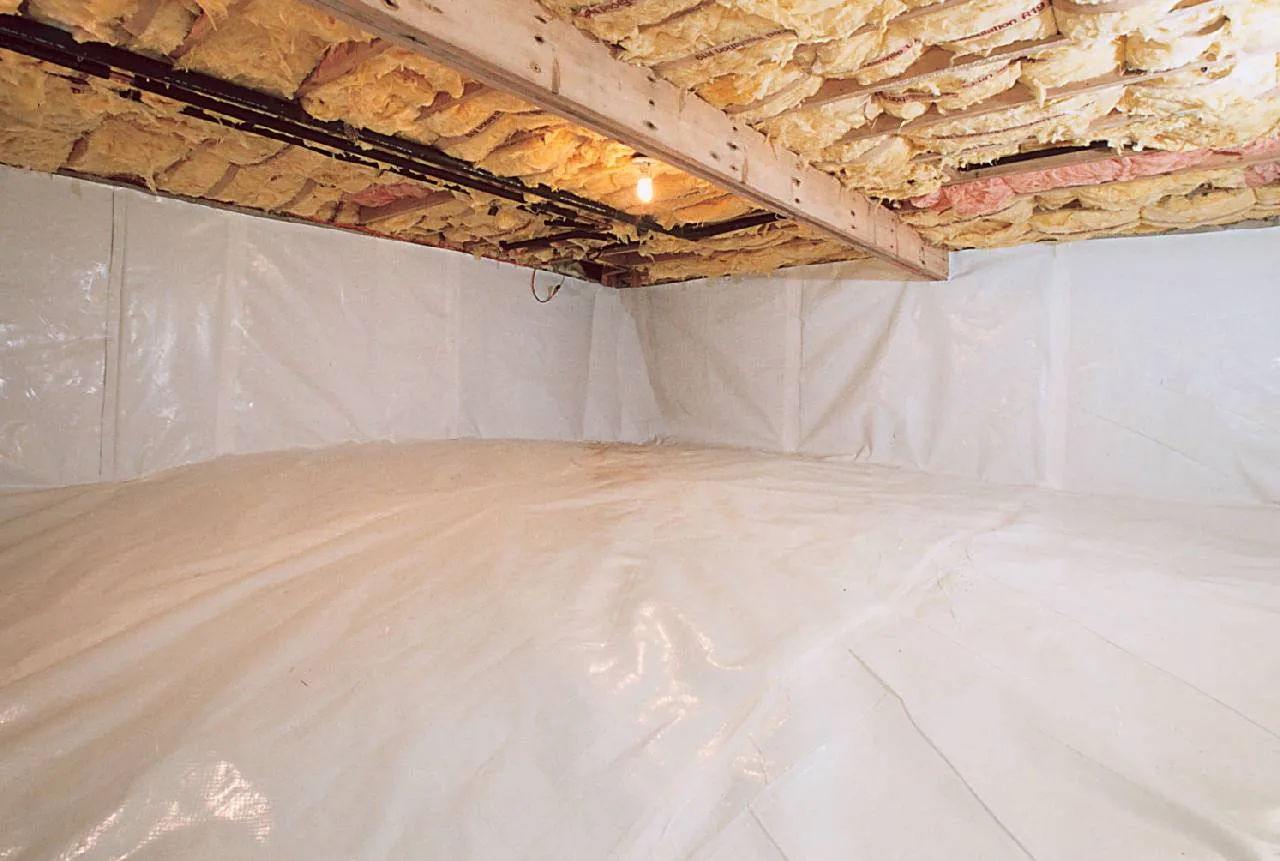
Encapsulation lines the ground and walls with a heavy vapor barrier, seals the vents, insulates the perimeter and adds a dedicated dehumidifier. Homeowners typically report noticeably lower heating and cooling bills in the first year, hardwood floors that stop moving seasonally, and the musty smell gone for good. It also protects the structural wood you would otherwise be paying us to sister in ten years.

Fix the cheap things first

If your gutters overflow, your downspouts dump at the foundation, or the yard slopes toward the house, we will tell you to fix that before you spend a dollar on waterproofing. Six inches of fall in the first ten feet and downspouts discharging five feet out solves a surprising number of 'wet basements' on its own. We would rather do the $900 job that works than the $12,000 job that treats a symptom.

What this typically costs

Crack injection typically runs $400–$900 per crack. A full interior drainage system with a sealed sump is usually $5,500–$12,000, and crawl space encapsulation $4,800–$11,000 depending on square footage.

Signs you should have this looked at

  • Standing water or damp soil in the crawl space after rain
  • White chalky efflorescence on basement walls
  • A musty smell that returns no matter how much you clean
  • Rusting appliance feet or corroding ductwork in the basement
  • Cupping or buckling hardwood on the floor above a crawl space
  • Condensation beading on foundation walls in summer

Basement Waterproofing & Crawl Space Encapsulation work across Northwest Arkansas

Mold and moisture staining spreading up the corner of a painted basement block wall
Mold in a corner means water is entering at the cold joint, not the wall face.
Crawl space fully encapsulated with a white vapor barrier over the ground and walls
A finished encapsulation: sealed ground, sealed walls, conditioned air.
Excavated foundation wall being prepared for exterior waterproofing membrane
Exterior membrane and footing drain — the gold standard on new construction.

Basement Waterproofing & Crawl Space Encapsulation by city

Soil, drainage and housing stock change from one NWA city to the next, and so does the right repair. Pick your city for the local detail.

Basement Waterproofing & Crawl Space Encapsulation — Questions We Get Asked

Should I waterproof from the inside or the outside?

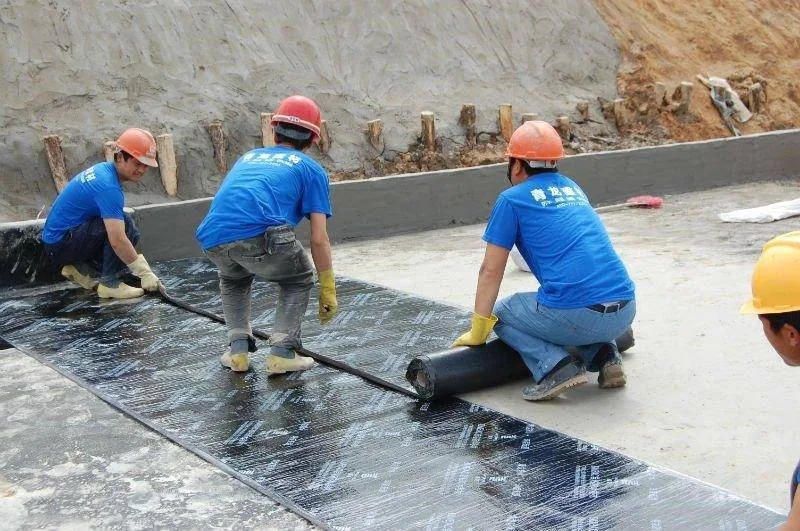
Both work; the right choice depends on the house. Exterior waterproofing — excavation, membrane, drainage board and a footing drain — is the gold standard for new construction or where landscaping can be disturbed. Interior systems are better for finished homes: sub-floor drainage, sealed vapor barrier and a properly sized sump, with no landscaping or hardscape torn out.

Do you install sump pumps with battery backup?

Yes, and we recommend the backup on essentially every installation. The severe storms that flood basements in this region are the same storms that take the power out. We size the basin and pump to the home's actual square footage and water table and fit a sealed lid so the pit is not pumping humidity into the room.

How long does waterproofing last?

A correctly installed interior drainage system lasts twenty years or more, with the pump itself typically needing replacement around year ten. Polyurethane crack sealing is effectively permanent — the foam stays flexible and bonds to the concrete. Exterior membrane systems generally carry a long manufacturer warranty.

Will encapsulating my crawl space lower my energy bills?

Usually yes, and noticeably. Sealing the crawl space stops the moisture cycle that wastes HVAC capacity and damages floor framing. Most homeowners report meaningfully lower heating and cooling costs in the first year, along with better indoor air quality and hardwood floors that stop moving seasonally.

Why is my crawl space wet or musty in the first place?

Humid summers and heavy spring rain push moisture into vented crawl spaces through the vents and up out of bare ground. Without a vapor barrier and drainage that moisture produces mold, musty odor, wood rot and sagging floors. Encapsulation seals it out permanently.

Other services we provide

Not sure what your foundation actually needs?

Start with a free inspection. You get elevation measurements, photographs, a plain explanation of the cause and a fixed written price — with no obligation to hire us.