Commercial Foundation Repair: A Facility Manager's Guide
Warehouse slabs, dock pads, tilt-up footings and tenant-occupied buildings — how commercial foundation work gets scoped, scheduled around operations, and priced against the cost of downtime.

Commercial work is a scheduling problem first
On a house the constraint is usually cost. On a distribution centre, a retail building or a supplier office, the constraint is almost always operations. A slab repair that takes a rack aisle out of service during peak season can cost more in disrupted throughput than the repair itself.
That reframes the conversation. The first questions on a commercial job are not about pier counts — they are about which areas can be released, for how long, and whether the work can happen at night or on weekends. Northwest Arkansas has more warehouse and light-industrial square footage than most regions its size, and essentially all of it runs on a schedule that does not want to stop.
The four commercial problems we see most
Slab settlement and voids under floor slabs, usually caused by subgrade consolidation or water washing fines out from under the slab. Symptoms are joint faulting, a hollow sound underfoot, cracking radiating from a low area, and forklift operators complaining about a specific aisle.
Dock pad and apron settlement. The transition where a truck apron meets the building takes enormous repeated load. When the pad drops, dock levellers stop meeting trailers correctly and the whole bay becomes a hazard.
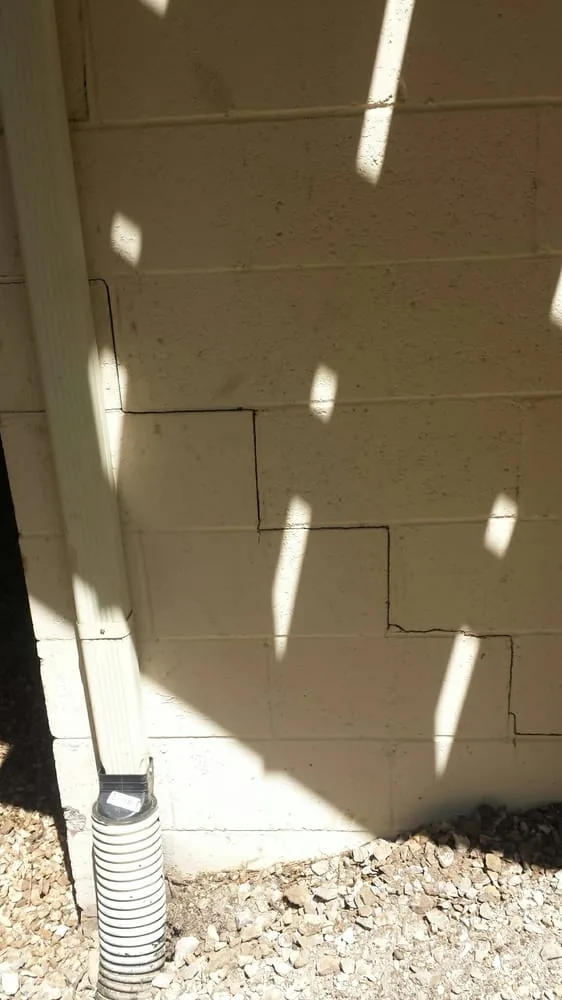
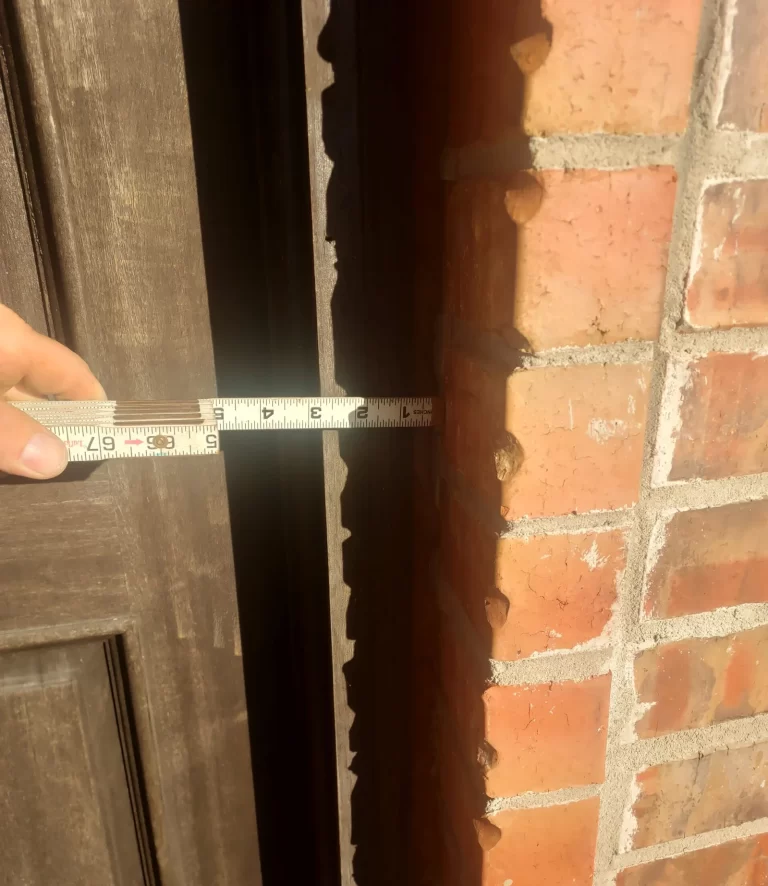
Tilt-up and perimeter footing movement. Less common but more serious. Signs include panel joints opening, sealant tearing, and doors within the panel line binding.
Exterior pavement and drainage failure, which is frequently the root cause of the other three, because the water undermining an interior slab usually got in from outside.
Why foam lifting dominates commercial slab work
Polyurethane foam injection is the default for commercial floor repair for one reason above all: return-to-service time. Injection ports are dime-sized, the material reaches most of its strength within about fifteen minutes, and a repaired area typically carries traffic again the same shift.
It also does something replacement does not. Foam fills the void in the subgrade as well as lifting the slab, addressing the loss of support rather than just the level. Replacement puts fresh concrete on the same weak subgrade that failed the first time.
The limits are real and worth stating: foam lifts intact slabs. A slab that has broken into separate pieces, spalled heavily, or lost structural integrity needs replacement, and no amount of foam changes that.
Floor flatness matters more than people expect
In a rack-loaded warehouse, floor flatness and levelness are not cosmetic. Narrow-aisle and very-narrow-aisle lift trucks work to tight tolerances, and a slab that has settled differentially will cause mast sway, restrict safe lift heights and accelerate equipment wear.
If you run defined-aisle equipment, the repair spec should include the flatness tolerance you need to hit, not just an instruction to lift the slab. Write it into the scope and verify it afterward.
Working in an occupied building
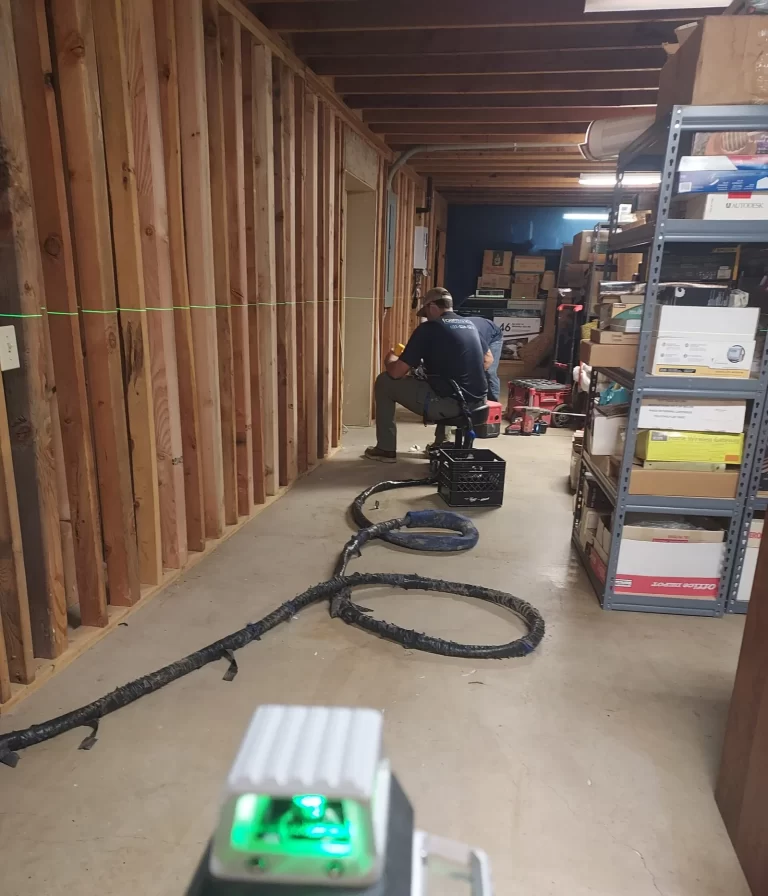
Occupied commercial work brings requirements residential jobs do not: containment of dust and noise for adjacent tenants, traffic control and pedestrian routing, coordination with the fire marshal where egress is affected, hot-work permits where cutting or welding is involved, and documented site safety for anyone entering the work area.
It also brings paperwork. Most general contractors and property managers require certificates of insurance at specified limits, sometimes bonding, and a written safety programme. Confirming those exist before the schedule is set avoids a delay the week before mobilisation.
How to scope it so bids are comparable
Commercial foundation bids are notoriously hard to compare because contractors scope them differently. Three things make them comparable.
First, define the areas by drawing rather than description. A marked-up floor plan with affected zones hatched removes most ambiguity.
Second, state the performance requirement. Not lift the slab, but restore to within a stated tolerance across a stated area and fill voids to refusal.
Third, state the operational constraints in the request itself: available work windows, whether the area can be fully released, dust and noise limits, and required insurance. A bid that assumed weekday daytime access will always look cheaper than one that priced night work, and you will not discover why until mobilisation.
WBE and DBE participation
If your project is public, federally assisted, or carries institutional diversity participation requirements, the certifications your subcontractors hold matter to the bid, not only to the work.
Precision Foundation Specialists holds active Woman-Owned Business Enterprise and Disadvantaged Business Enterprise designations and is a Native American owned and operated firm. On municipal and public infrastructure work in Arkansas, that participation is frequently a scored element of the award. We can provide current certification documentation on request.
Deferring commercial repairs costs more than it saves
A void under a warehouse slab does not stabilise. It grows as more water moves through it and as loading continues to work the slab edges. What starts as a levelling job becomes a joint repair, then a panel replacement, then a section of floor where rack uprights no longer bear evenly.
The economic argument is usually not the repair cost. It is the difference between a scheduled night's work now and an unscheduled shutdown later.
Get a commercial assessment
We assess commercial slabs, dock pads, tilt-up footings and site drainage across Northwest Arkansas, and we schedule nights and weekends as standard practice rather than as an exception.
Call (479) 225-4899 and tell us what your operating window looks like.
Want this looked at by someone who does it every day?
Free inspections across Fayetteville, Springdale, Rogers, Bentonville and Bella Vista — elevation measurements, photographs and a fixed written price, with no obligation.