A Season-by-Season Foundation Maintenance Calendar for Arkansas
Four short checklists — one per season — that take an hour each and prevent the majority of the foundation repairs we get called out for.
Foundations fail slowly and predictably
Almost nothing about foundation damage is sudden. It is the accumulation of many wet-dry cycles acting on soil that is not being managed. Which means an hour of attention four times a year genuinely does prevent a large share of the repairs we are called out for.
Here is the calendar we give homeowners, built around what Northwest Arkansas weather actually does.
Spring (March – May): the wet season audit
This is the most important hour of the year, because spring storms will show you every drainage flaw at once. Go outside during or immediately after a hard rain and watch where water actually goes.
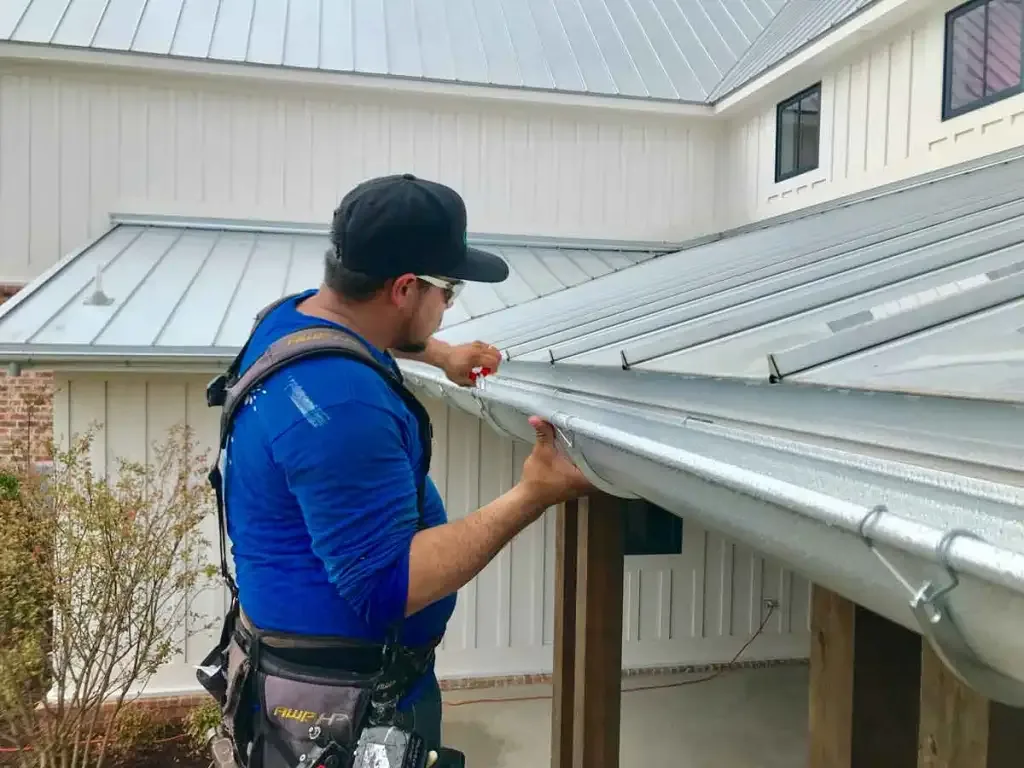
Check: gutters overflowing anywhere along the run; downspouts discharging closer than four feet; water standing against the foundation more than a few hours after rain stops; new erosion channels in beds or lawn near the house; window wells holding water.
Then go under the house or into the basement while the ground is still saturated. That is the only time of year you will reliably see where water enters. Note the location — that is what a contractor needs to know.
Summer (June – August): the drought watch
Summer does the opposite damage. Clay shrinks as it dries, and it shrinks most where something is actively pulling water out — usually large trees and the sunniest exposure. That creates the differential that cracks foundations.
Check for a visible gap opening between the soil and the foundation wall. If you can slide your hand into a crack in the soil along the footing, the clay has shrunk significantly and the footing has lost side support.
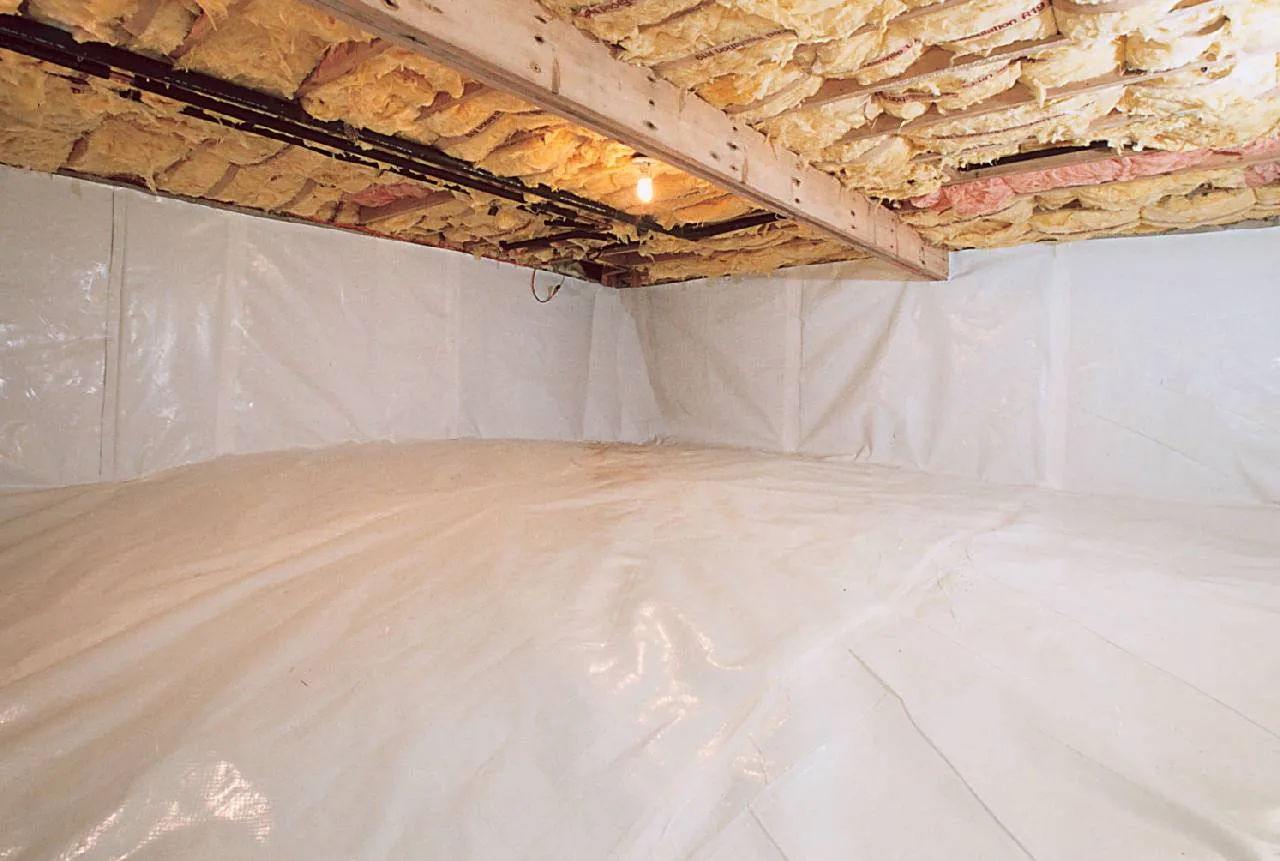
The fix is counterintuitive: water the perimeter. Soaker hose eighteen inches out from the wall, run slowly and consistently during extended drought, keeps the soil moisture even. The goal is not saturation, it is avoiding the extreme swing. Also check that summer humidity is not condensing in the crawl space — this is when encapsulated homes earn their keep.
Fall (September – November): the maintenance window
Fall is when you do the physical work, because the weather cooperates and contractors are less backed up than in the spring rush.
Clean gutters after the leaves finish dropping and check the pitch while you are up there. Extend or repair any downspout discharge. Re-grade any low spots that showed up in the spring audit — you want six inches of fall in the first ten feet. Trim vegetation back off the siding and pull mulch down away from the wall line.
Inside, walk the house and write down the condition of every crack you know about. Photograph them with a coin or tape measure for scale. This is your baseline for next year, and it is the difference between 'I think it got worse' and knowing.
Winter (December – February): freeze, thaw and quiet observation
Freeze-thaw cycling lifts and drops saturated soil, which is why garage floors and exterior slabs often heave in winter here. Check exterior slabs for new movement or new trip hazards after a hard freeze.
Make sure the sump pump actually runs — pour a bucket of water in the basin and watch it cycle. Confirm the discharge line is not frozen or blocked, because a discharge that cannot discharge is the same as a pump that does not work.
Winter is also the best time to notice interior symptoms, since the heat is running and the house is at its driest. Doors that stick in January are telling you something different from doors that stick in June.
The annual five-minute record
Once a year, in the same month each time, photograph every known crack with a scale reference and note the date. Keep them in one folder on your phone.
That single habit is worth more than any product you can buy. When you eventually call someone, being able to show that a crack was an eighth of an inch three years ago and is three-eighths now instantly separates active movement from a crack that has been sitting there since the Carter administration. It changes the diagnosis, and it changes the price.
If your annual check turns up something that has moved, we inspect free across Northwest Arkansas: (479) 225-4899.
Want this looked at by someone who does it every day?
Free inspections across Fayetteville, Springdale, Rogers, Bentonville and Bella Vista — elevation measurements, photographs and a fixed written price, with no obligation.