Slab Leak or Settlement? How to Tell the Difference
The symptoms look identical, the repairs are completely different, and one is often covered by insurance while the other almost never is. Here is how to tell them apart.
Why this distinction is worth real money
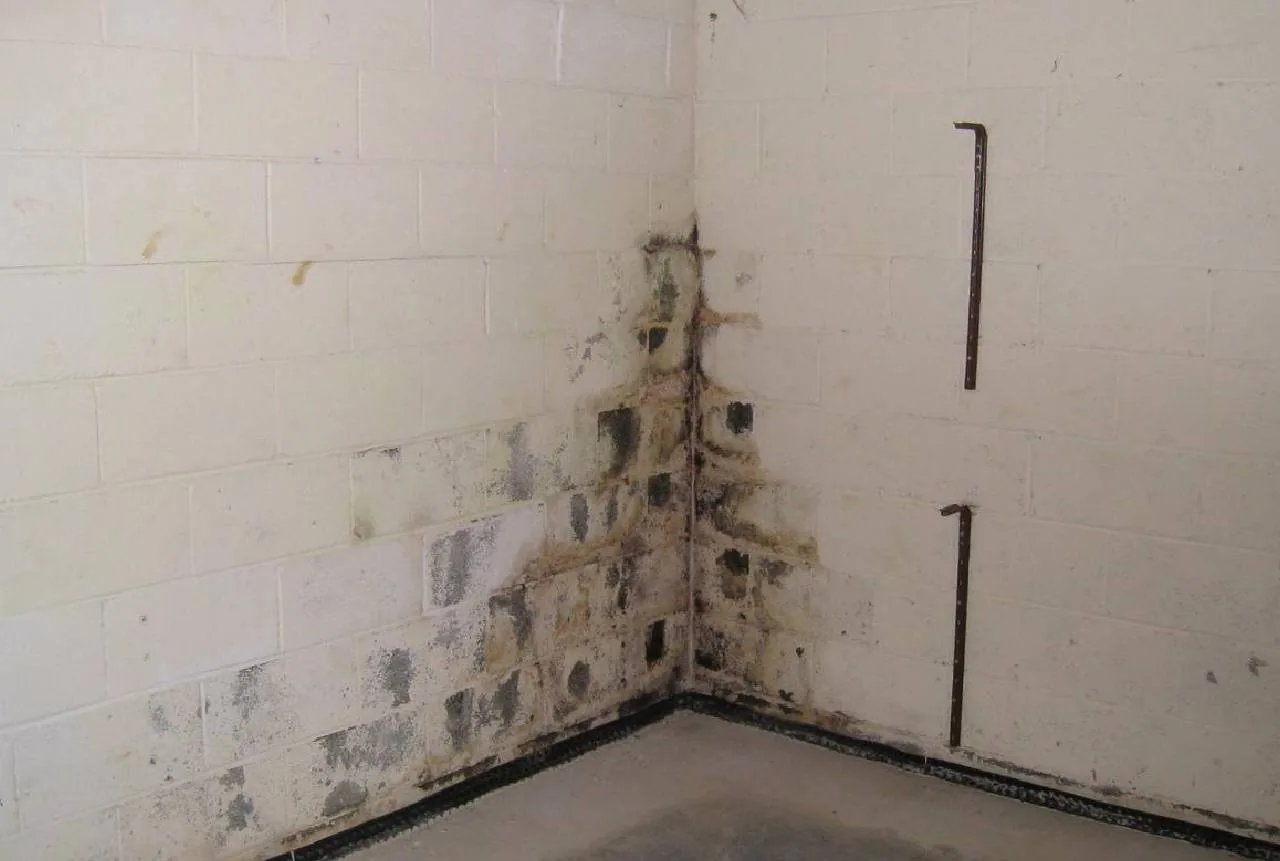
A slab that has dropped in one area produces the same symptoms whether the cause is ordinary soil settlement or a water line leaking underneath it. Cracks appear, doors stop latching, floors slope. From the living room they are indistinguishable.
The distinction matters for two reasons. First, the repairs differ completely: settlement is corrected with underpinning, a leak is corrected by finding and fixing the pipe before anything structural is touched. Underpinning over an active leak is money spent on a problem that keeps getting worse underneath the piers.
Second, and more practically: homeowners insurance generally excludes gradual settlement, but sudden accidental discharge of water from a plumbing system is frequently a covered peril. Correctly identifying a slab leak can be the difference between a claim and an out-of-pocket repair.
The water bill is the first place to look
Pull twelve to twenty-four months of bills and look at the usage figure, not the dollar amount. A supply-side slab leak produces a step change — a month where usage rises and then stays elevated — rather than the seasonal curve you would expect from irrigation.
Then run the meter test. Turn off every fixture and appliance that uses water, including the ice maker and any irrigation controller. Note the meter reading, or watch the low-flow indicator triangle if yours has one. Wait two hours with no water use. If the reading has moved, water is leaving the system somewhere between the meter and your fixtures.
This test costs nothing and settles the question more often than people expect.
Signs pointing toward a leak
A warm spot on the floor. This is the classic hot-water-line indicator and it is quite reliable — walk the slab barefoot, ideally in the morning before sun has been on the floor.
The sound of running water when everything is off. Put an ear to the floor in a quiet house at night.
Damp or discoloured flooring in one area, carpet that stays humid, or hardwood cupping in a single location with no overhead source.
A mildew smell concentrated in one part of the house.
Cracking that appeared quickly. Soil settlement is slow. A crack that opened noticeably over a few weeks with no drought and no unusual weather is suspicious.
Signs pointing toward ordinary settlement
Movement that tracks the seasons. Doors that stick in a wet spring and free up in a dry autumn are describing clay volume change, not a pipe.
A pattern that follows the exterior. Settlement is usually worst at a corner or along one elevation, and commonly corresponds to something visible outside: a downspout discharging at the wall, a low spot that ponds, a large tree, or the fill side of a graded lot.
Gradual progression measured in years, with a normal water bill throughout.
A house of a particular age and construction type. A two- to six-year-old home on engineered fill in Bentonville showing one settled corner is behaving exactly the way engineered fill behaves.
How each one gets confirmed
For settlement, confirmation is an elevation survey. A laser is set up and readings taken on a grid across the whole floor plate, producing a contour of where the slab actually sits. A broad smooth bowl indicates soil consolidation. A sharp localised dip indicates that something removed support in one spot — which raises the leak question again.
For a leak, a plumber performs a pressure or isolation test on the supply lines, and if that is inconclusive a leak detection specialist uses acoustic equipment or tracer gas to pinpoint the location without breaking up the whole floor.
Order matters. If the meter test suggests a leak, the plumbing is resolved first. Structural work happens afterward, once the soil has had time to stabilise.
The sewer line case, which is sneakier
A drain or sewer leak under the slab does not show on a water meter, because that water was already used and is not under pressure. It can still wash out enough soil to drop a slab.
The tell-tale signs are different: sewer odour, slow drains, or repeated backups. Confirmation is a camera inspection and a hydrostatic test on the drain system. If you have settlement with no supply-side leak and no obvious exterior drainage cause, this is the next thing to rule out.
Documenting it for a claim
If a leak is confirmed, what an adjuster needs is a clear causal chain: evidence of the leak, its location, and a professional opinion connecting it to the structural damage. Photographs, the leak detection report, the plumber's invoice and an engineering assessment of the resulting movement together make a far stronger file than a general complaint about cracks.
We write inspection reports with that in mind, stating the observed cause explicitly rather than only the recommended repair. Whether a claim succeeds is between you and your carrier, but the documentation should not be the reason it fails.
When you genuinely cannot tell
Plenty of houses have both. A drainage problem starts the settlement, the movement stresses a pipe joint, and the resulting leak accelerates everything. Untangling that requires measurement rather than opinion.
Our inspections are free and include the elevation survey, moisture readings and the exterior drainage assessment. If the evidence points at plumbing we will tell you to call a plumber first — the structural conversation is not useful until the water is off.
(479) 225-4899.
Want this looked at by someone who does it every day?
Free inspections across Fayetteville, Springdale, Rogers, Bentonville and Bella Vista — elevation measurements, photographs and a fixed written price, with no obligation.